1. Safety and scope
The team explains what it can handle and which parts, like testing a site where drugs were made, need a different plan.
Rosebud, TX · Falls County
Business owners in Rosebud who find syringes in a restroom or storeroom can call (877) 812-4220. A cleanup team can remove sharps and residue and clean the room before it reopens.
If anyone is in danger, call 911 first. For a suicide crisis, call or text 988.
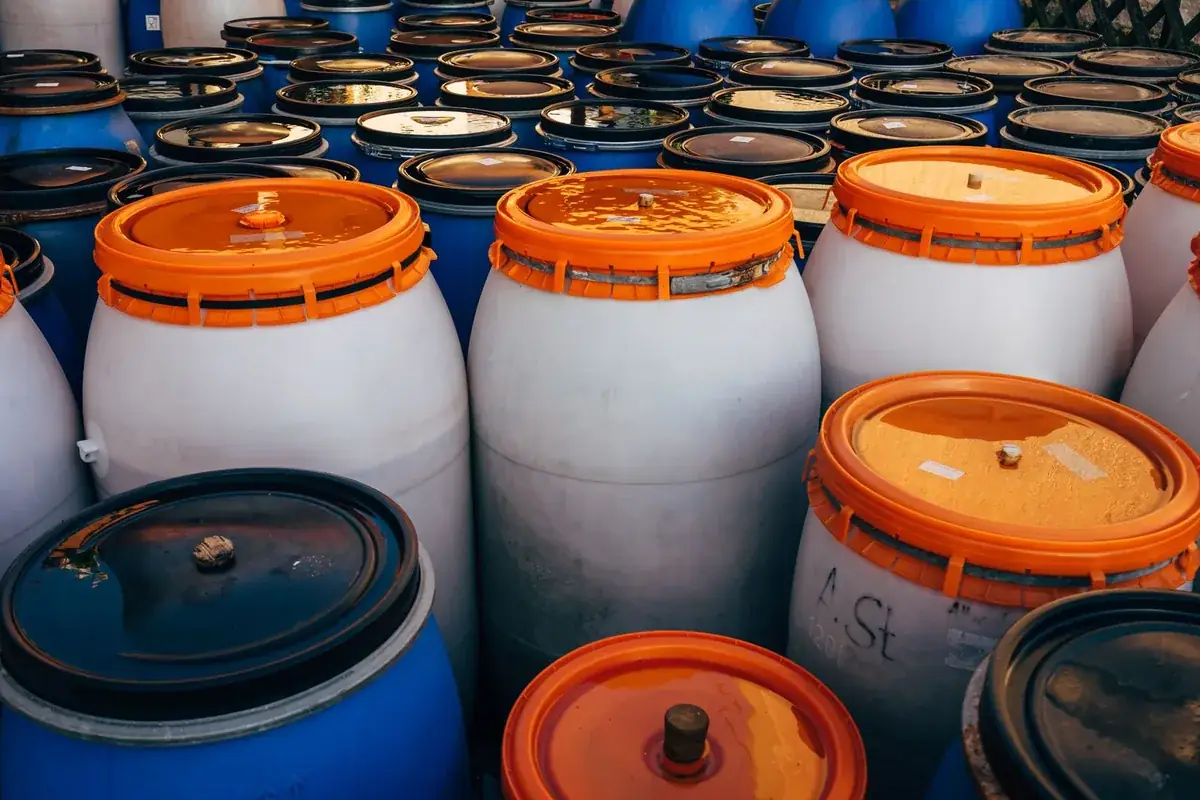
Biohazard cleanup for drug use covers removal of contaminated items, decontamination of surfaces, disposal of soft materials that cannot be cleaned and treatment of lingering odor.
If you are unsure whether your space in Rosebud needs cleaning, you can talk with Rosebud Biohazard Cleanup Help about it in Falls County. The team helps sort out what is paraphernalia cleanup and what may call for more testing.
A vacancy rate near 15% in Falls County means more empty houses and lots, which are common places for discarded items to be found. To find out whether a property in Falls County has been released, ask the Falls County Sheriff's Office or the local police. Cleanup begins after that.
What drug paraphernalia cleanup covers:
The team explains what it can handle and which parts, like testing a site where drugs were made, need a different plan.
Sharps come first, then bags, foil, containers and stained linens. Each is sorted into the right container.
Items are lifted with tools into labeled containers. Soft materials that cannot be cleaned are removed and bagged.
The team removes the waste and shares what was done so the owner can keep it on file.
The cost of drug paraphernalia cleanup in Rosebud, TX depends on the amount of material, how it is packed and how it is hauled.
Disposal of sharps and contaminated materials as regulated waste is part of the price, and it changes with the amount.
| Type of job | Typical range |
|---|
Published ranges only (); every drug paraphernalia cleanup job in Rosebud is priced after an on-site look. Price drivers include amount of material, whether residue is present, surfaces affected, waste disposal. Questions? Call (877) 812-4220.
Sometimes. Some homeowners and renters policies cover cleanup after a covered event, and some limit or exclude claims tied to illegal activity. Check your policy, call your insurance company before work starts, take photos if you can, and keep every receipt.
It can. Powders and stains may stay on floors, furniture, bedding and in vents after the items are gone. That is why a team cleans and disinfects the surfaces and removes soft materials that cannot be cleaned. Ask what the plan covers.
Loose syringes should never go in household trash, because they can stab sanitation workers. Other items may carry residue. A cleanup team seals and disposes of everything the safe way.
Standard paraphernalia cleanup is about removal, cleaning and disinfection. Testing is a separate step, usually tied to a site where drugs were made. Ask the team and the local health department what testing, if any, applies to your property.
The price depends on the number of rooms and items, how much soft material must go, odor treatment, travel and access. A cleanup team can give a real price after hearing the details and should explain what is included before work begins.
The owner of the property usually pays at first. Lease terms and local law decide who is responsible in the end. A landlord, an attorney or a tenant rights group can say. Keep any record the cleanup team gives you, since a landlord or insurer may ask for it.
Crews work without judgment and focus on making the space safe.
Call (877) 812-4220